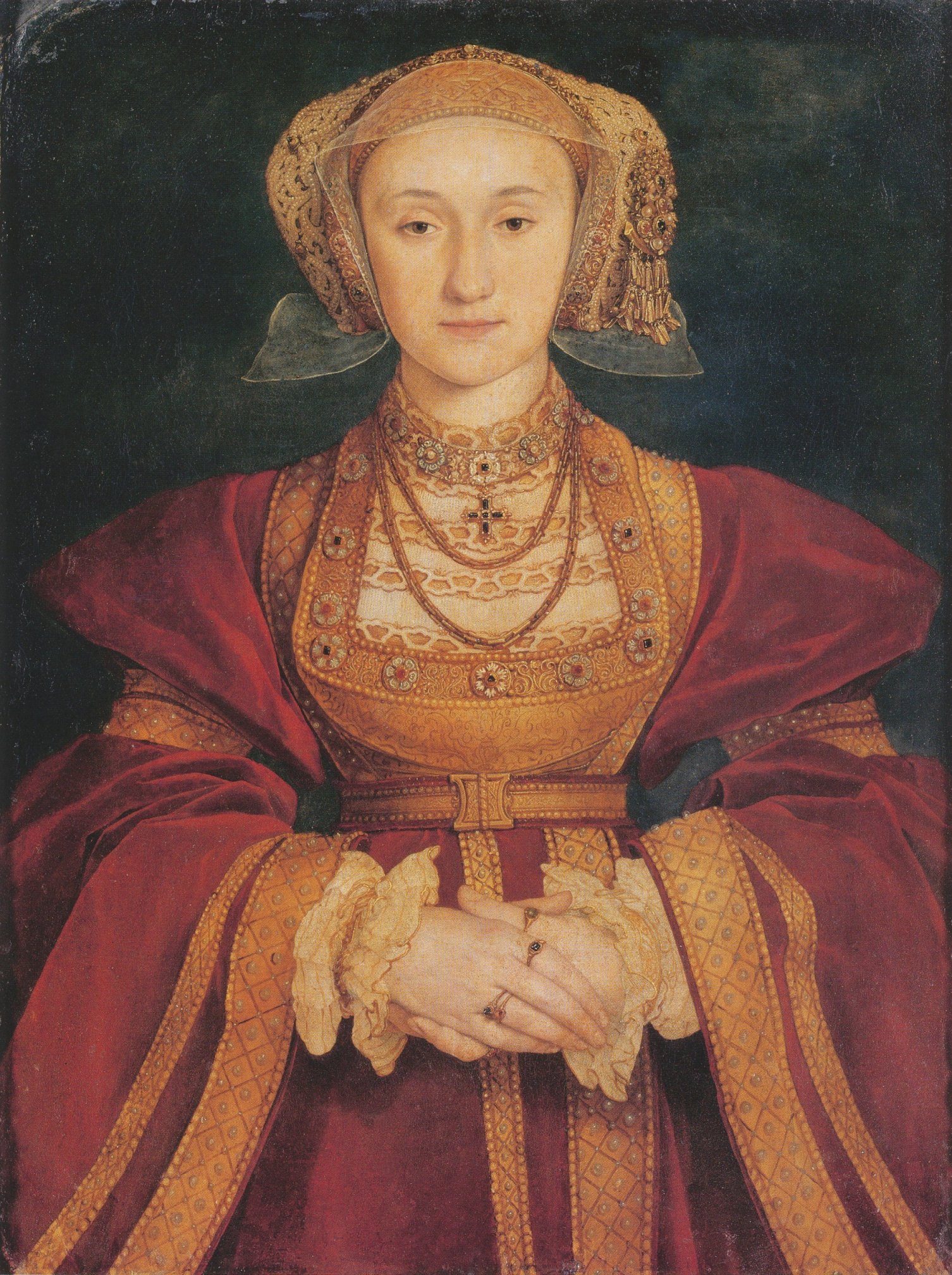
Early Life and Noble Origins
Anne of Cleves, born on September 22, 1515, in Düsseldorf, Germany, emerged from the prestigious House of La Mark. Her childhood was steeped in nobility, with her father, John III, Duke of Cleves, instilling in her the values of diplomacy and grace that would serve her well in the years to come.
Education and Upbringing
Unlike many of her contemporaries, Anne received a comprehensive education that encompassed not only the traditional feminine arts but also languages and statecraft. This broad knowledge base would prove invaluable in her future role as a queen consort.
The Path to England
As tensions rose between England and its continental rivals, Henry VIII sought to forge new alliances. Anne of Cleves, with her noble lineage and strategic family connections, emerged as a prime candidate for a diplomatic marriage.
Thomas Cromwell’s Influence
Thomas Cromwell, Henry’s chief minister, played a pivotal role in orchestrating the match. Recognizing the potential for a Protestant alliance, Cromwell championed Anne as the ideal bride for the king, setting in motion a series of events that would forever change the course of English history.
The Fateful Meeting
In a departure from tradition, Henry VIII agreed to marry Anne sight unseen, relying on a portrait by Hans Holbein the Younger to gauge her appearance. This decision would have far-reaching consequences for both parties involved.
A Royal Disappointment
When Henry finally met Anne in person on January 1, 1540, his reaction was one of profound disappointment. The king, known for his mercurial temperament, famously likened his bride-to-be to a “Flanders mare,” setting the stage for a tumultuous union.
A Marriage of Convenience
Despite his misgivings, Henry proceeded with the marriage, which took place on January 6, 1540. The political imperatives that had brought Anne to England outweighed the king’s personal preferences, at least initially.
Cultural Challenges
Anne’s limited command of English and unfamiliarity with court customs presented significant obstacles. These cultural barriers, combined with Henry’s lack of attraction, created a palpable tension within the royal household.
The Swift Annulment
Just six months into their marriage, Henry VIII sought an annulment. The king’s growing infatuation with Catherine Howard, coupled with his desire for a more amenable partner, sealed Anne’s fate as queen consort.
Anne’s Graceful Acquiescence
In a display of remarkable diplomacy, Anne agreed to the annulment without protest. This decision, born of political savvy and self-preservation, would prove instrumental in securing her future well-being.
Life After Queenship
Following the annulment, Anne was granted the title of “King’s Sister” and awarded substantial estates. This generous settlement allowed her to maintain a life of comfort and independence, free from the dangers that often befell Henry’s former wives.
Relationship with the Royal Family
Anne’s cordial relations with Henry VIII extended to his children as well. She developed a particularly close bond with the future Queen Elizabeth I, serving as a supportive figure during the young princess’s tumultuous childhood.
Anne’s Later Years
As the years passed, Anne settled into a life of relative tranquility. She managed her estates with acumen, becoming a respected figure in English society despite her brief tenure as queen.
Patronage and Cultural Contributions
Anne’s interest in the arts and literature flourished during this period. She became a patron of several artists and writers, contributing to the cultural vibrancy of Tudor England in her own unique way.
The Mystery of Anne’s Death
Anne of Cleves passed away on July 16, 1557, at the age of 41. The circumstances surrounding her death remain shrouded in mystery, fueling speculation and debate among historians to this day.
Theories and Speculations
While some scholars attribute her demise to natural causes, others propose more intriguing theories. These range from undiagnosed illnesses to the long-term effects of stress from her tumultuous time at court. The lack of conclusive evidence continues to captivate historical researchers.
Legacy and Historical Significance
Anne of Cleves’ impact on English history extends far beyond her brief marriage to Henry VIII. Her dignified conduct during and after her time as queen set her apart from many of her contemporaries.
A Model of Diplomacy
Anne’s ability to navigate the treacherous waters of Tudor politics without falling victim to the fate that befell some of Henry’s other wives stands as a testament to her political acumen and personal resilience.
Remembering Anne of Cleves
In the annals of Tudor history, Anne of Cleves emerges as a figure of quiet strength and remarkable adaptability. Her story serves as a poignant reminder of the complex interplay between personal ambition, political necessity, and the capricious nature of royal favor in 16th-century England.
Through her graceful acceptance of her changed circumstances and her ability to forge a life of independence and respect, Anne of Cleves left an indelible mark on history. Her legacy continues to fascinate and inspire, offering valuable insights into the resilience of the human spirit in the face of extraordinary challenges.